Show the place, with room around it.
Include the green, fairway or distinctive landscape you want to remember. A little space around the edges gives us more room to compose the portrait.
A studio guide · Choosing your photo
Choose a clear photo that shows the recognizable features of the course or hole you want to remember. An original phone photo is often enough. Leave some room around the important features, and send the largest original file you have so we can review the view and crop.
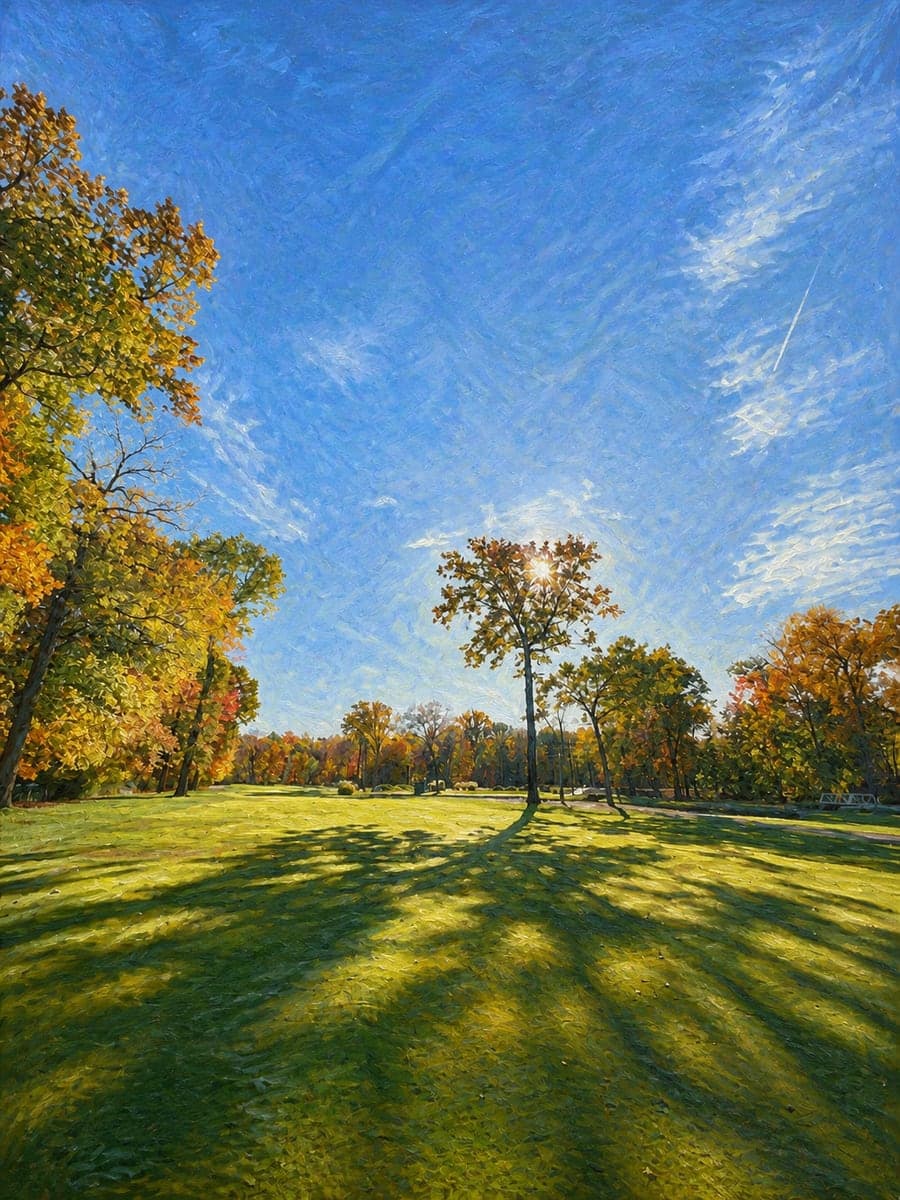
This phone photo of Ramsey No. 10 became a finished portrait. The green, bunkers and surrounding trees gave us a recognizable starting point; the painted interpretation brings color and texture to that familiar view.
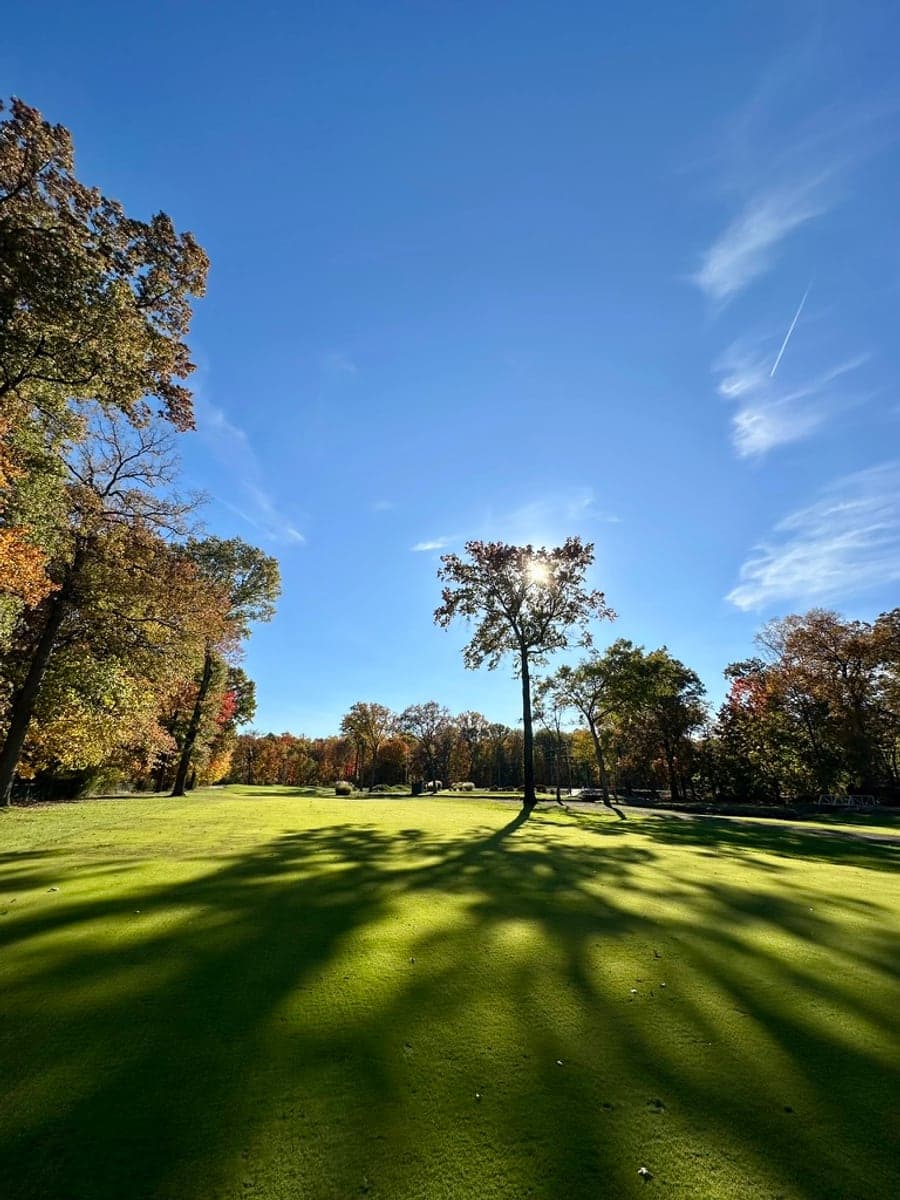
Start with these four things. If you’re unsure, send the photo you have and we’ll take a look.
Include the green, fairway or distinctive landscape you want to remember. A little space around the edges gives us more room to compose the portrait.
The original phone image usually has more detail than a screenshot or a picture saved from a message. Choose the largest version you have.
A person or cart at the edge may be workable. If a recognizable feature is hidden or the whole image is very blurry, a different photo may give a better result.
Wide views often suit landscape prints; taller compositions may suit portrait. We’ll review the crop so the part you care about remains in the picture.
A tight crop can leave out the features that make a hole recognizable. Send the wider original so we can review the composition together.
Choose a thumbnail to compare the brushwork, color and detail in the same view.


Rich color and visible brushwork give the view depth and weight. A natural starting point if you love traditional landscape paintings.
Examples show the available painting styles. Your finished portrait is made from your own reference and reviewed before printing.
Tell us the course and hole, and we’ll check for a suitable reference. A photograph from the day isn’t essential—a clear view of the same hole can tell the story.
We’ll let you know what’s possible. A suitable reference isn’t always available.
Ask for photo helpOften, yes. A recognizable view with visible detail matters more than having a professional camera. Send the original file if you can.
Yes, you can send it for review. Small distractions may be removable; if something important is hidden, we may ask for another view.
No. For a memorable round or hole-in-one, a suitable photograph of the same hole can be the reference.
It will be a digitally painted interpretation of the view. Style and composition can change its appearance, and you’ll check the finished artwork before paying.
See the finished artwork before you pay.